Cannabidiol (CBD) and tetrahydrocannabinol (THC) are the two most well-known compounds found in cannabis. Both compounds have garnered attention for their potential therapeutic benefits, but they differ significantly in how they affect the body. Understanding the differences between CBD and THC is essential for those considering using these substances for medicinal or recreational purposes. In this blog, we will explore the key differences between CBD and THC, their individual effects on the body, and which might be the right choice for you.
What Is CBD?

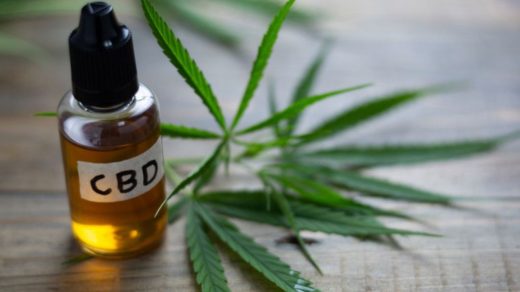
CBD is a naturally occurring compound found in cannabis plants, including hemp and marijuana. Unlike THC, CBD is non-psychoactive, meaning it does not produce the “high” typically associated with cannabis. Over recent years, CBD has gained popularity for its potential therapeutic benefits, including its ability to reduce anxiety, improve sleep, and relieve chronic pain.
CBD interacts with the body’s endocannabinoid system (ECS), a complex system that helps regulate various physiological functions such as mood, sleep, appetite, and pain. CBD does not directly bind to cannabinoid receptors in the ECS but instead promotes the body’s natural production of endocannabinoids, which are involved in regulating these functions.
Benefits of CBD:
- Reduces anxiety: Many people use CBD to help manage anxiety and stress. It is believed to work by interacting with serotonin receptors in the brain.
- Improves sleep: CBD may improve sleep quality by reducing anxiety, stress, and pain that might otherwise interfere with sleep.
- Relieves pain: CBD is used by many to alleviate chronic pain, inflammation, and muscle spasms.
- Supports skin health: CBD is also used in topical products to treat conditions like acne and eczema due to its anti-inflammatory properties.
What Is THC?
THC is the primary psychoactive compound in cannabis. Unlike CBD, THC does produce a high, which is why it is typically associated with the recreational use of marijuana. THC binds directly to the CB1 receptors in the brain and central nervous system, leading to the release of dopamine, a neurotransmitter associated with pleasure and reward. This binding creates the psychoactive effects of THC, such as euphoria, altered perception, and increased appetite.
Benefits of THC:
- Pain relief: THC is well-known for its pain-relieving properties, making it a popular choice for individuals dealing with chronic pain, cancer, and other conditions.
- Nausea reduction: THC is often used to help reduce nausea and vomiting, particularly in patients undergoing chemotherapy.
- Increased appetite: Often referred to as the “munchies,” THC can stimulate appetite, making it useful for people with conditions like anorexia or those undergoing treatments that reduce hunger.
- Mood enhancement: For many people, THC can create a sense of euphoria and relaxation, which can be beneficial for managing stress and anxiety.
Key Differences Between CBD and THC
While both CBD and THC come from the same plant, they have distinct differences that affect how they work in the body.
- Psychoactive Effects:
- CBD: Non-psychoactive. It does not produce a high and will not impair cognitive function.
- THC: Psychoactive. It produces a high and can impair cognitive function, coordination, and reaction times.
- Legal Status:
- CBD: In many parts of the world, including the United States, CBD is legal as long as it is derived from hemp (which contains less than 0.3% THC). However, the legality of CBD varies by location, so it’s important to check local regulations.
- THC: THC is illegal in many places due to its psychoactive effects. In areas where marijuana is legal, THC-containing products are available for both recreational and medicinal use.
- Medical Benefits:
- CBD: CBD is used to treat conditions like anxiety, depression, chronic pain, epilepsy, and insomnia. It is particularly beneficial for individuals seeking relief without the intoxicating effects of THC.
- THC: THC is effective for pain relief, nausea, and increasing appetite. It is often prescribed to patients undergoing chemotherapy, those with chronic pain, and individuals with low appetite.
- Side Effects:
- CBD: Generally well-tolerated, though some people may experience mild side effects such as dry mouth, dizziness, or changes in appetite. It does not cause the “high” or impair cognitive function.
- THC: THC can cause side effects such as paranoia, anxiety, memory loss, and impaired motor skills. In higher doses, it may also lead to hallucinations and delusions.
- Drug Tests:
- CBD: CBD is typically not detected in drug tests. However, full-spectrum CBD products, which may contain trace amounts of THC, could potentially show up on a drug test.
- THC: THC will show up on a drug test and can remain in the system for days or even weeks after use, depending on the frequency and amount of THC consumed.
Which Is Right for You?
Choosing between CBD and THC depends on your needs, preferences, and the effects you are seeking. Here are some considerations for both options:
- For Pain Relief:
- If you’re looking for pain relief without any psychoactive effects, CBD may be the better option. It can help reduce inflammation and alleviate chronic pain without impairing your ability to function.
- If you’re dealing with more severe pain or conditions like cancer or multiple sclerosis, THC may provide stronger pain relief, but keep in mind it can cause cognitive impairment and a “high.”
- For Anxiety:
- CBD is a great option for those who experience anxiety and do not want to feel high. It helps promote relaxation and may improve overall mood without causing any impairment.
- THC can also help reduce anxiety for some people, but it may exacerbate anxiety in others, especially at higher doses. If you’re prone to paranoia or anxiety when using cannabis, CBD is likely the safer choice.
- For Sleep:
- If you’re looking for help with sleep, CBD can help reduce anxiety and promote relaxation, making it easier to fall asleep without the risk of a hangover-like effect the next day.
- THC may also help with sleep, especially for people dealing with chronic pain or nausea. It may cause drowsiness and help you stay asleep, but it can leave you feeling groggy in the morning.
- For Appetite Stimulation:
- THC is well-known for stimulating appetite, which can be beneficial for people dealing with conditions like chemotherapy or anorexia.
- CBD does not have the same appetite-stimulating effects, but it may help regulate overall metabolism and reduce inflammation.
- For Mental Clarity:
- If mental clarity and focus are important to you, CBD is the better choice. It helps reduce stress without impairing cognitive function.
- THC may impair cognitive function and memory, particularly in high doses.
Conclusion
Both CBD and THC offer significant health benefits, but they work in different ways and have distinct effects on the body. CBD is non-psychoactive and is an excellent choice for those looking for relief from anxiety, pain, and sleep disturbances without feeling high. THC, on the other hand, can provide stronger pain relief and help with appetite stimulation, but it comes with the risk of psychoactive effects, including impairment and anxiety for some users.
Ultimately, the decision between CBD and THC depends on your needs and how you respond to these compounds. For those seeking a more holistic and non-impairing approach, CBD is often the preferred choice, while THC can be a powerful option for those in need of stronger symptom relief.
As with any supplement or medication, it is important to consult with a healthcare professional before incorporating CBD or THC into your wellness routine, especially if you have existing medical conditions or are taking other medications.
4o mini