Post-Traumatic Stress Disorder (PTSD) is a serious mental health condition that affects millions of people around the world. It can occur after a person experiences or witnesses a traumatic event, such as an accident, natural disaster, military combat, or assault. The symptoms of PTSD—such as flashbacks, nightmares, irritability, and anxiety—can significantly impair daily functioning and quality of life.
While traditional treatments for PTSD, such as therapy and medication, can be effective, some individuals are turning to alternative therapies like CBD (cannabidiol) for relief. CBD is a non-psychoactive compound found in the hemp and cannabis plants and has gained popularity for its potential to alleviate a range of symptoms related to various mental health conditions, including PTSD.
In this blog post, we will explore how CBD works, its potential benefits for those living with PTSD, and the scientific evidence supporting its use in managing symptoms of the condition.
What is PTSD?
PTSD is a mental health disorder that can develop after an individual experiences or witnesses a traumatic event. It is often characterized by:
- Flashbacks: Re-experiencing the traumatic event as if it is happening again.
- Nightmares: Disturbing dreams related to the traumatic event.
- Avoidance: Avoiding situations, places, or people that remind the person of the trauma.
- Hyperarousal: Symptoms such as irritability, difficulty sleeping, exaggerated startle response, and heightened anxiety.
PTSD can develop immediately after the trauma or may take months or even years to manifest. In addition to causing emotional and psychological distress, it can also lead to physical symptoms such as chronic pain, headaches, and digestive problems.
Traditional treatments for PTSD often involve therapy (like cognitive behavioral therapy (CBT)) and medications, such as antidepressants and anti-anxiety drugs. However, some individuals may not respond well to these treatments or may experience side effects, prompting them to explore alternative options like CBD.
How CBD Works
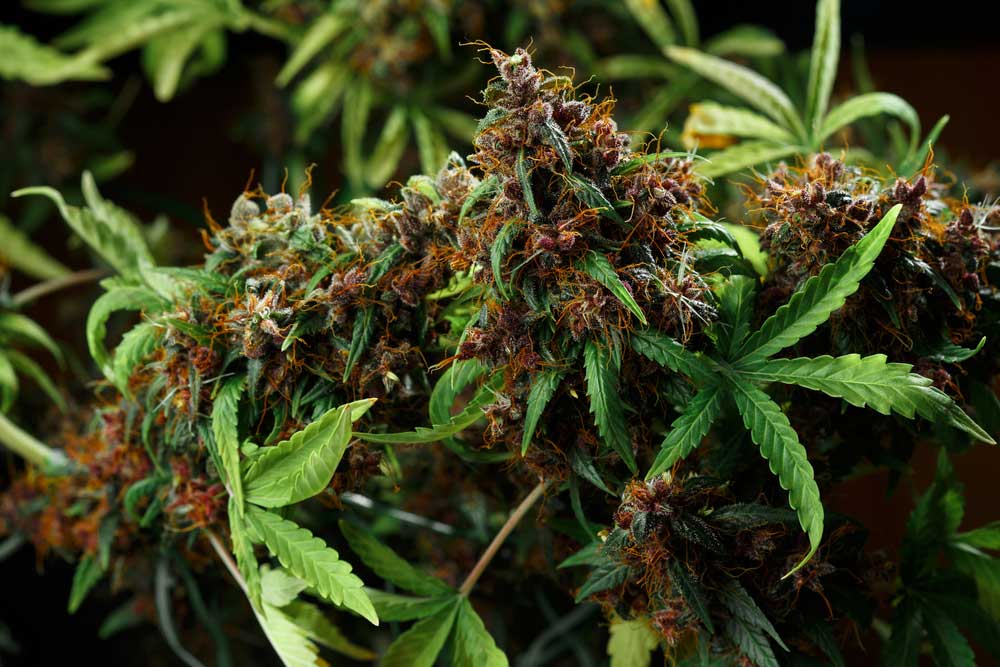
CBD is a non-psychoactive compound found in cannabis. Unlike THC (tetrahydrocannabinol), which is the compound responsible for the “high” associated with cannabis use, CBD does not produce any intoxicating effects. Instead, it interacts with the body’s endocannabinoid system (ECS), which plays a role in regulating various physiological processes such as mood, sleep, appetite, and pain perception.
The ECS consists of receptors located throughout the body, including the brain and nervous system. CBD binds to CB1 and CB2 receptors in the ECS, helping to regulate the balance of chemicals in the brain. By influencing these receptors, CBD is thought to have anti-inflammatory, anxiolytic (anxiety-reducing), and analgesic (pain-relieving) effects, making it a promising therapeutic option for PTSD.
How CBD Can Help with PTSD Symptoms
CBD may offer several benefits for individuals living with PTSD. Here’s how it may help alleviate some of the most common symptoms associated with the condition:
1. Reducing Anxiety and Stress
Anxiety is one of the hallmark symptoms of PTSD. People with PTSD often experience heightened levels of anxiety, particularly when reminded of the traumatic event. CBD has been shown to have anxiolytic effects, which means it may help reduce feelings of anxiety and stress.
Studies suggest that CBD can influence the brain’s receptors responsible for regulating fear and anxiety. By interacting with the serotonin receptors, CBD may promote a calming effect and reduce anxiety, helping individuals with PTSD feel more at ease and less prone to anxiety-induced reactions.
2. Improving Sleep Quality
Sleep disturbances, including insomnia, nightmares, and night sweats, are common in individuals with PTSD. Many people with PTSD struggle to fall asleep or stay asleep due to their heightened state of arousal and intrusive thoughts related to the trauma.
CBD may help improve sleep by regulating the body’s stress response. Research has shown that CBD can enhance sleep quality and duration, allowing individuals with PTSD to experience more restful sleep. Additionally, CBD’s calming properties can reduce the occurrence of nightmares and improve the overall quality of sleep, which is essential for emotional healing.
3. Reducing Hyperarousal and Irritability
Hyperarousal is a common symptom of PTSD and involves a heightened state of alertness, leading to irritability, difficulty concentrating, and an exaggerated startle response. This state of hypervigilance can cause significant distress and make it difficult for individuals to function normally in daily life.
CBD has been shown to reduce hyperarousal by interacting with the ECS and regulating the brain’s response to stress. It may help calm the nervous system and reduce the physiological symptoms of anxiety, such as increased heart rate and sweating, providing a sense of relief from the constant state of alertness.
4. Reducing Intrusive Memories and Flashbacks
Intrusive memories and flashbacks to the traumatic event are some of the most distressing symptoms of PTSD. These vivid recollections can disrupt daily life and make it difficult for individuals to move forward.
While more research is needed to fully understand the effect of CBD on intrusive memories, early studies suggest that CBD may help reduce the intensity and frequency of these memories. Some researchers believe that CBD’s effects on the brain’s fear extinction pathways may play a role in reducing the emotional impact of traumatic memories.
5. Alleviating Physical Symptoms
PTSD doesn’t just affect the mind—it can also lead to physical symptoms, including chronic pain, headaches, and digestive issues. CBD has been shown to have analgesic (pain-relieving) and anti-inflammatory effects, which may help alleviate the physical symptoms of PTSD.
CBD may be particularly effective for individuals experiencing pain related to muscle tension or fibromyalgia, which is common in those with PTSD. By reducing inflammation and promoting relaxation, CBD may offer a natural alternative to traditional pain medications.
Scientific Evidence Supporting CBD for PTSD
While the evidence supporting the use of CBD for PTSD is still in its early stages, several studies have shown promising results.
1. Animal Studies
Preclinical animal studies have demonstrated that CBD can reduce anxiety and fear-based behaviors. In one study, rats that were subjected to a traumatic stressor were given CBD, which led to a significant reduction in anxiety and post-traumatic stress symptoms. These studies suggest that CBD may help regulate the stress response and reduce the long-term effects of trauma.
2. Human Studies
Several small-scale human studies have also explored the potential benefits of CBD for PTSD. A 2018 study published in the Journal of Alternative and Complementary Medicine found that CBD significantly reduced anxiety and improved sleep in individuals with PTSD. Another study published in Cannabinoids in Medicine found that CBD helped improve nightmares and intrusive thoughts in individuals with PTSD, suggesting that it may play a role in managing trauma-related symptoms.
While these studies are encouraging, more extensive research and clinical trials are needed to fully understand the long-term effects of CBD on PTSD and its potential as a treatment option.
How to Use CBD for PTSD
If you are considering using CBD for PTSD, it’s important to consult with your healthcare provider to ensure that it’s safe for you and doesn’t interact with other medications. Here are a few tips for using CBD to manage PTSD symptoms:
1. Start with a Low Dose
When starting CBD, it’s best to begin with a low dose and gradually increase it until you find the dosage that works best for you. Most people start with 10-20 mg of CBD per day and increase the dose gradually, depending on how their body responds.
2. Choose a High-Quality CBD Product
Ensure that you are using a high-quality CBD product from a reputable brand. Look for products that are third-party tested, have clear dosage information, and provide a certificate of analysis (COA) to confirm the CBD content and purity.
3. Consider Different Forms of CBD
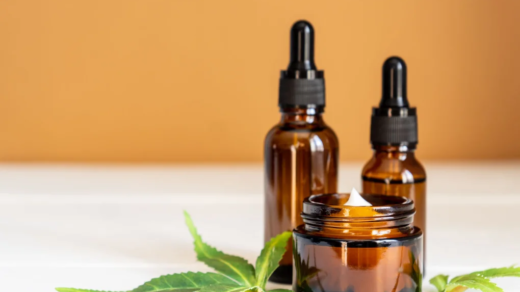
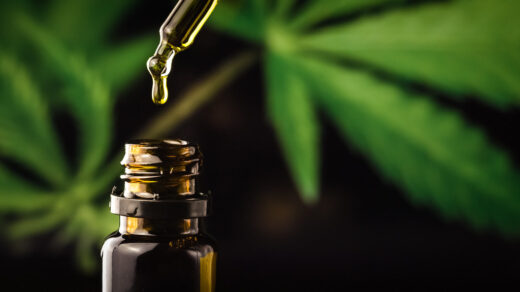
CBD is available in various forms, including oils, tinctures, capsules, and edibles like CBD gummies. For those with PTSD, CBD oil or tinctures may be the most effective, as they allow for faster absorption and more precise dosage. However, edibles like CBD gummies can also be a good option for those who prefer a slower, longer-lasting effect.
Read Also : A Guide to Understanding the Different Cannabis Potency Levels in Canada
Conclusion
CBD offers a natural, non-addictive option for those dealing with PTSD. Its potential to alleviate anxiety, improve sleep, reduce hyperarousal, and provide pain relief makes it an appealing alternative to traditional medications. While more research is needed, early studies suggest that CBD may offer significant benefits for managing PTSD symptoms.
If you are considering CBD as part of your PTSD treatment plan, it’s important to work with a healthcare provider to find the right dosage and product for your needs. By integrating CBD into your wellness routine, you may find relief from the emotional and physical burdens of PTSD, helping you regain a sense of balance and peace.