

Introduction
CBD oil is widely used for stress support, sleep, discomfort relief, and overall wellness. While many people view it as natural and generally well-tolerated, CBD is still an active compound that affects how your body functions — including how it processes medications.
If you take prescription or over-the-counter drugs, understanding potential CBD interactions is essential.
Let’s break it down clearly and responsibly.
How CBD Is Processed in the Body
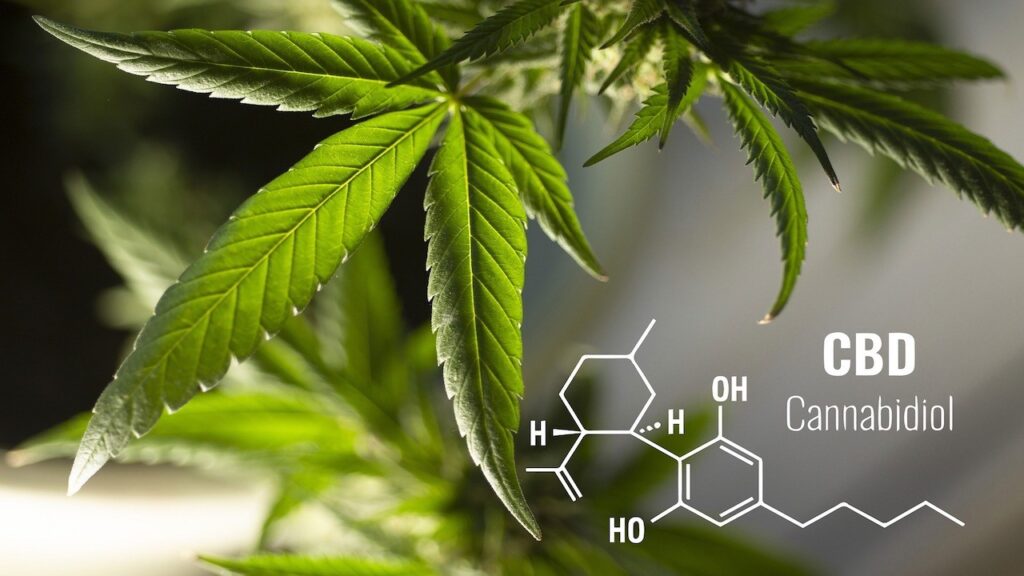
After you take CBD oil (especially orally), it is metabolized in the liver. A group of enzymes called the cytochrome P450 (CYP450) system plays a major role in breaking down many medications.
Here’s where interactions can occur:
- CBD may slow down or inhibit certain liver enzymes.
- This can cause some medications to stay in your system longer.
- Higher medication levels may increase the risk of side effects.
This doesn’t mean CBD is unsafe — but it does mean caution is important.
Why Drug Interactions Matter
When medications aren’t metabolized at the expected rate, several things can happen:
- Medication levels may rise higher than intended
- Side effects may become stronger
- Drug effectiveness may change
- Dosage adjustments may be needed
The degree of interaction depends on:
- CBD dose
- Frequency of use
- Type of medication
- Individual metabolism
Medications That May Interact With CBD
CBD may interact with drugs that rely heavily on liver enzyme metabolism.
1️⃣ Blood Thinners
CBD may affect how the body processes anticoagulants such as warfarin. Altered metabolism could increase bleeding risk if medication levels rise.
2️⃣ Anti-Seizure Medications
CBD has been studied for epilepsy, and prescription CBD products are sometimes used under medical supervision.
However, when combined with other anti-epileptic drugs, dosage monitoring is often necessary to prevent excessive sedation or other side effects.
3️⃣ Antidepressants and Anxiety Medications
CBD may interact with:
- SSRIs
- Benzodiazepines
- Tricyclic antidepressants
Possible effects could include increased drowsiness or altered medication levels.
4️⃣ Blood Pressure Medications
CBD may have mild blood-pressure-lowering effects. When combined with antihypertensive drugs, this could potentially cause dizziness or lightheadedness.
5️⃣ Sedatives and Sleep Aids
Because CBD may promote relaxation, combining it with:
- Sleep medications
- Muscle relaxants
- Opioids
- Alcohol
may increase sedation or fatigue.
6️⃣ Immunosuppressants
Patients who have undergone organ transplants or who use immune-modulating drugs should be especially cautious. CBD may alter blood levels of certain immunosuppressive medications.
The “Grapefruit Warning” Rule
Some medications carry a label advising you to avoid grapefruit. That’s because grapefruit also affects CYP450 enzymes in the liver.
If your medication includes a grapefruit warning, it may also interact with CBD. This is not a guarantee — but it’s a useful red flag.
Does Dosage Make a Difference?
Yes.
Higher doses of CBD are more likely to influence liver enzymes. Occasional low-dose use may carry lower interaction risk, but this varies widely by person and medication type.
Prescription CBD formulations are typically used under strict medical monitoring for this reason.
Signs You Should Contact a Healthcare Provider
Seek medical guidance if you notice:
- Unusual fatigue
- Dizziness
- Changes in heart rate
- Increased medication side effects
- Unexpected changes in how your medication works
Never stop or adjust prescription medication without professional supervision.
Who Should Be Especially Careful?
Extra caution is recommended for individuals who:
- Take multiple medications
- Have liver conditions
- Are elderly
- Have complex medical histories
- Use high doses of CBD
How to Use CBD More Safely With Medications
Here are practical steps to reduce risk:
- Consult your healthcare provider first
- Share a complete list of medications and supplements
- Start with a low CBD dose if approved
- Monitor for side effects
- Use reputable, lab-tested CBD products
Open communication with a medical professional is key.
Is CBD Unsafe?
Not necessarily.
Many people use CBD without serious issues. However, “natural” does not mean “interaction-free.” Like any biologically active compound, CBD can influence how your body processes other substances.
Responsible use, especially alongside prescription medications, is essential.
Also Read: What Does CBD Oil Feel Like?
The Bottom Line
CBD oil may interact with certain medications because it affects liver enzymes responsible for drug metabolism. This can alter medication levels, potentially increasing side effects or changing effectiveness.
If you take prescription drugs — particularly blood thinners, seizure medications, antidepressants, or blood pressure medications — talk to a healthcare provider before adding CBD to your routine.
Being informed helps you make safer, smarter wellness decisions.