Introduction
CBD products may look similar on the shelf, but what happens long before bottling plays a major role in their quality, safety, and effectiveness. One of the most critical—and often overlooked—factors is how the CBD is extracted from the hemp plant. The extraction method determines not only how much CBD makes it into the final product, but also what else comes with it, including beneficial plant compounds or unwanted residues.
As consumers become more informed and selective, understanding CBD extraction methods is no longer just industry knowledge—it’s an essential part of choosing a trustworthy product.
Why CBD Extraction Is So Important
Hemp plants contain hundreds of naturally occurring compounds, including cannabinoids, terpenes, flavonoids, waxes, and chlorophyll. Extraction is the process of separating these desirable compounds from the raw plant material.
A high-quality extraction method preserves beneficial cannabinoids and terpenes while removing impurities. A poor method, on the other hand, can degrade CBD, introduce harmful residues, or strip away compounds that contribute to the overall effectiveness of the product.
This is why two CBD oils with the same potency on the label can perform very differently in real-world use.
The Goal of CBD Extraction
At its core, CBD extraction aims to:
- Isolate cannabidiol from hemp plant material
- Preserve naturally occurring beneficial compounds
- Avoid contamination with toxins or solvents
- Produce a consistent, stable extract
The method used determines how successfully these goals are achieved.
CO₂ Extraction: The Industry Gold Standard
CO₂ extraction is widely considered the most advanced and reliable method for producing high-quality CBD. It uses pressurized carbon dioxide to pull cannabinoids and terpenes from the hemp plant.
How CO₂ Extraction Works
Carbon dioxide is placed under high pressure and carefully controlled temperatures until it enters a “supercritical” state—meaning it behaves as both a liquid and a gas. In this form, CO₂ acts as a powerful solvent, selectively extracting cannabinoids and aromatic compounds from hemp.
Once the extraction is complete, the pressure is released, and CO₂ naturally evaporates, leaving behind a clean, concentrated extract.
Why CO₂ Extraction Matters
This method offers several key advantages:
- No toxic solvent residue
- Exceptional purity and consistency
- Preserves delicate cannabinoids and terpenes
- Highly controlled and repeatable process
CO₂ extraction allows manufacturers to fine-tune extracts, making it ideal for full-spectrum, broad-spectrum, and isolate CBD products.
The main drawback is cost. CO₂ extraction requires expensive equipment and technical expertise, which is why products made this way often carry a higher price tag. However, that cost usually reflects superior quality and safety.
Ethanol Extraction: Efficient and Scalable
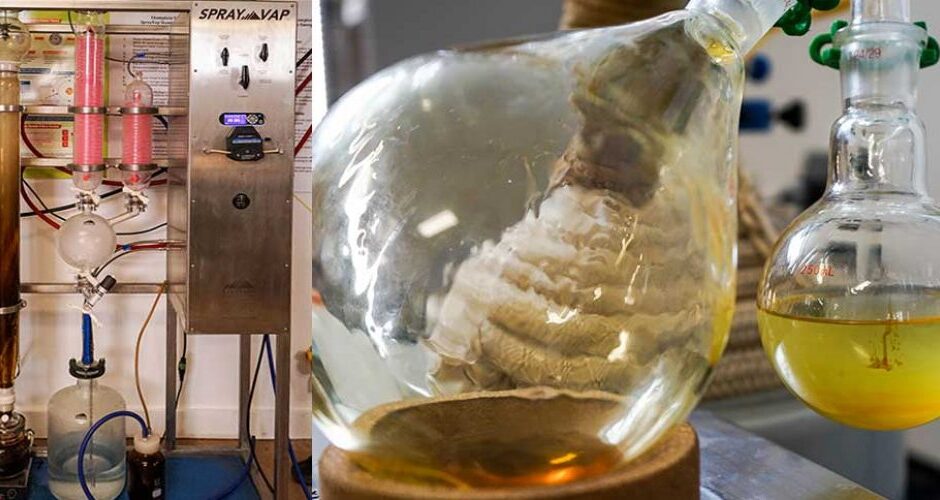
Ethanol extraction uses food-grade alcohol to dissolve cannabinoids and other compounds from the hemp plant. It’s a popular choice for large-scale production due to its efficiency.
How Ethanol Extraction Works
Hemp is soaked or washed with ethanol, which breaks down plant cell walls and dissolves cannabinoids, terpenes, and other compounds. The liquid is then filtered and heated to evaporate the alcohol, leaving behind a concentrated extract.
Pros of Ethanol Extraction
- Highly effective at extracting cannabinoids
- Cost-efficient for large batches
- Safe when food-grade ethanol is used
- Can preserve a wide range of plant compounds
Potential Drawbacks
Ethanol is less selective than CO₂, meaning it can extract unwanted substances like chlorophyll and plant waxes. This can affect taste and color if not properly refined afterward.
When done carefully and paired with additional purification steps, ethanol extraction can produce high-quality CBD. However, rushed or poorly controlled processes may result in harsh-tasting or less refined products.
Oil Extraction: Traditional but Limited
Oil extraction is one of the oldest methods used to extract cannabinoids. It involves heating hemp plant material in a carrier oil such as olive oil or coconut oil.
How Oil Extraction Works
The hemp is gently heated to activate cannabinoids, then infused into a carrier oil. The oil absorbs CBD and other fat-soluble compounds, creating a ready-to-use extract.
Benefits of Oil Extraction
- Simple and solvent-free
- Uses food-safe ingredients
- Often done at small or artisanal scale
Limitations of Oil Extraction
- Low CBD concentration
- Shorter shelf life
- Limited scalability
- Less precise dosing
Oil extraction is rarely used for commercial CBD products today. While it can produce safe extracts, it lacks the consistency, potency, and stability required for modern formulations.
Why Extraction Method Affects CBD Quality
The extraction process influences nearly every aspect of a CBD product, from safety to effectiveness.
1. Purity and Safety
Methods like CO₂ extraction leave no chemical residue, while poorly executed solvent-based methods can introduce contaminants. This is especially important for people using CBD daily or long-term.
2. Cannabinoid and Terpene Preservation
Terpenes contribute to aroma and may enhance the effects of CBD through the entourage effect. Gentle, precise extraction preserves these compounds, while aggressive methods may destroy them.
3. Product Consistency
High-quality extraction allows manufacturers to deliver consistent CBD levels from batch to batch. This matters for accurate dosing and predictable results.
4. Taste and Appearance
Excess chlorophyll or plant waxes can give CBD products a bitter taste or dark color. Cleaner extraction methods result in smoother, more palatable oils.
Full-Spectrum, Broad-Spectrum, and Isolate: Extraction Still Matters
Regardless of product type, extraction plays a central role.
- Full-spectrum CBD retains multiple cannabinoids and terpenes
- Broad-spectrum CBD removes THC while preserving other compounds
- CBD isolate contains only pure cannabidiol
CO₂ extraction is particularly well-suited for all three, as it allows precise refinement without compromising purity.
Why Cheap CBD Products Often Cut Corners
Extraction is expensive, especially when done properly. Products priced far below the market average may rely on lower-quality extraction, inadequate purification, or insufficient testing.
While price alone doesn’t define quality, reputable brands are transparent about their extraction methods and back their products with third-party lab reports.
How to Identify High-Quality Extraction as a Consumer
When evaluating a CBD product, look for:
- Clear mention of CO₂ or ethanol extraction
- Third-party lab reports confirming purity
- Transparent ingredient lists
- No vague claims like “proprietary extraction” without explanation
Brands that invest in high-quality extraction usually want you to know about it.
The Future of CBD Extraction
As research advances, extraction technology continues to evolve. Improved CO₂ systems, terpene-preservation techniques, and cleaner refining processes are shaping the next generation of CBD products.
This innovation is pushing the industry toward higher standards, better safety, and more effective formulations—benefiting both new and experienced users.
Also Read: CBD and Sleep Rhythm: Can It Help Reset an Irregular Sleep Cycle?
Final Thoughts
CBD extraction is far more than a technical detail—it’s the foundation of product quality. The method used determines how pure, potent, and reliable a CBD product will be.
CO₂ extraction stands out for precision and cleanliness, ethanol offers efficiency when done responsibly, and oil extraction remains a traditional but limited option. Understanding these differences empowers consumers to make smarter choices and avoid products that compromise on quality.
In a rapidly growing CBD market, knowledge is your strongest tool. When you understand how CBD is extracted and why it matters, you’re better equipped to choose products that truly support your wellness goals.