Introduction
In today’s fast-paced world, anxiety and stress have become all too common. From juggling work responsibilities to managing personal commitments, it’s easy to feel overwhelmed. As more people seek natural alternatives to pharmaceutical medications, CBD (cannabidiol) has emerged as a promising option for promoting calm and balance. But can CBD really help with anxiety and stress? Let’s explore what the science and real-world experiences say.
What Is CBD?
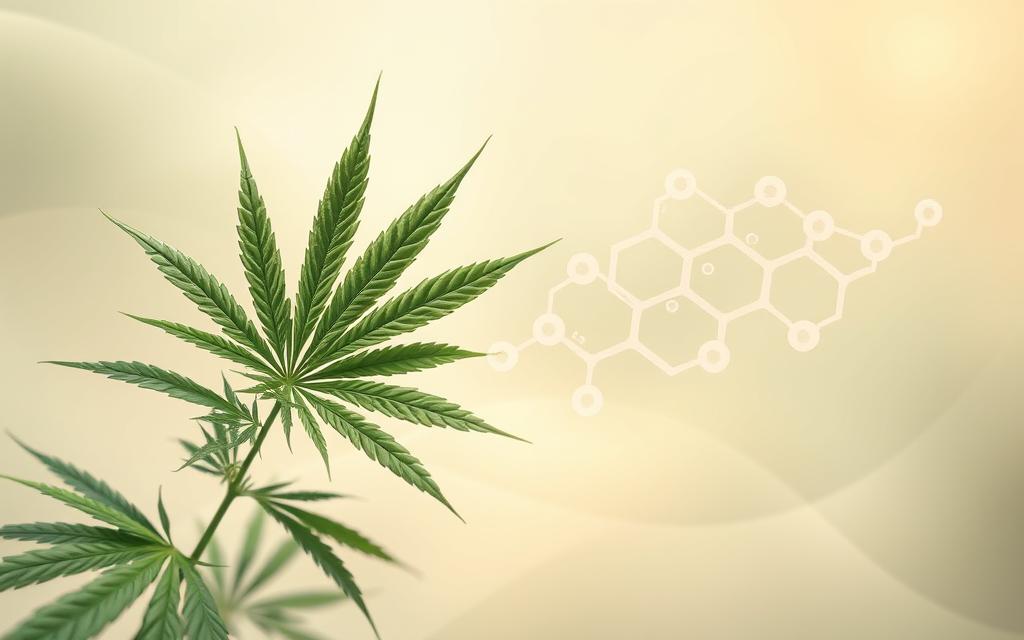
CBD, or cannabidiol, is one of over a hundred naturally occurring compounds known as cannabinoids found in the cannabis plant. Unlike its more famous counterpart, THC (tetrahydrocannabinol), which is responsible for the plant’s psychoactive effects, CBD does not induce a “high” or alter your state of mind. This key difference makes CBD an appealing option for people seeking the therapeutic benefits of cannabis without the intoxicating effects. In recent years, CBD has sparked significant interest among researchers, healthcare providers, and wellness enthusiasts due to its non-addictive nature and broad therapeutic potential.
Most notably, it has shown promise in addressing mood-related disorders such as anxiety, chronic stress, and depression, making it a popular natural remedy for individuals looking to improve emotional balance and mental well-being without relying on traditional pharmaceuticals.
How CBD Interacts with the Body
CBD interacts with the endocannabinoid system (ECS), a complex network of receptors and neurotransmitters that helps regulate key bodily functions like sleep, mood, appetite, and stress response. CBD specifically influences serotonin receptors (5-HT1A) in the brain, which play a key role in regulating emotions and anxiety.
By modulating these pathways, CBD may help reduce feelings of unease and promote a sense of calm without the side effects often associated with traditional anti-anxiety medications.
What the Research Says
Scientific interest in CBD’s effects on anxiety and stress has grown significantly in recent years. Here are a few notable findings:
- A 2019 study published in The Permanente Journal found that 79% of participants with anxiety experienced improvements after taking CBD for one month.
- A 2015 review in Neurotherapeutics concluded that CBD shows promise as a treatment for multiple anxiety disorders, including generalized anxiety disorder (GAD), panic disorder, social anxiety disorder, and PTSD.
- In animal studies, CBD has demonstrated anti-stress and anxiolytic (anti-anxiety) properties, often improving symptoms without sedative effects.
While more large-scale human trials are needed, the current data is encouraging.
Real-Life Experiences
Beyond the realm of clinical research, countless users have shared personal stories about how CBD has positively impacted their mental well-being. People from all walks of life are turning to CBD oil, capsules, edibles, and gummies as part of their daily self-care routines to help manage anxiety and stress. Many report feeling calmer, sleeping more soundly, and experiencing fewer intrusive or racing thoughts—symptoms often associated with high stress levels or anxiety disorders. Some individuals note a greater sense of emotional balance, allowing them to approach daily challenges with more clarity and resilience. While it’s important to remember that results can vary based on body chemistry, dosage, and product quality, these anecdotal accounts continue to fuel interest and demand for CBD as a natural, plant-based alternative to pharmaceuticals. The growing number of success stories and positive reviews suggests that for many people, CBD isn’t just a trend—it’s a meaningful part of their mental wellness journey.
Best Ways to Use CBD for Anxiety and Stress
Choosing the right CBD product is crucial for achieving optimal results. Here are a few effective formats:
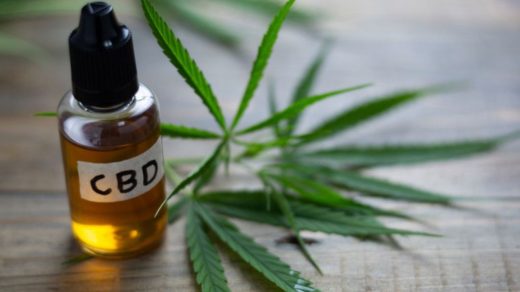
- CBD Oil or Tinctures – Fast-acting and easily dosed under the tongue.
- CBD Gummies or Capsules – Ideal for consistent, discreet daily use.
- CBD Vapes – Provide near-instant effects, but may not suit everyone.
- Topicals – Not typically used for anxiety but can aid in stress relief when paired with massage.
Always start with a low dose and gradually increase until the desired effects are achieved. It’s also important to choose lab-tested, high-quality CBD from trusted brands.
Is CBD Safe?
As CBD becomes more widely accepted and integrated into daily wellness routines, many people naturally ask: Is CBD safe to use regularly? The short answer is yes—CBD is generally considered safe for most individuals when taken appropriately. Unlike THC, which can cause intoxication or impair cognitive function, CBD is non-psychoactive and does not produce a “high,” making it a more approachable option for those seeking relief from anxiety, pain, inflammation, or sleep disorders.
That said, no wellness product is completely free of side effects, and CBD is no exception. While the majority of users tolerate it well, there are some potential side effects to be aware of—especially when taking high doses or using CBD alongside other medications.
Common Side Effects of CBD
Some of the most frequently reported side effects of CBD include:
- Drowsiness or Fatigue: One of the most common side effects, especially at higher doses, is a feeling of drowsiness or lethargy. While this can be beneficial for those using CBD to manage sleep problems or nighttime anxiety, it may not be ideal for individuals who need to stay alert throughout the day.
- Dry Mouth: CBD may decrease saliva production, resulting in a sensation of dry mouth. This is generally mild and can be managed by staying hydrated throughout the day.
- Digestive Issues: In some cases, CBD can cause mild gastrointestinal symptoms such as nausea, bloating, or diarrhea. These symptoms tend to be dose-dependent and may resolve over time as the body adjusts to the compound.
- Appetite Changes: Some users report changes in appetite, either an increase or decrease, though these effects are typically subtle.
It’s important to note that these side effects are usually mild and temporary, particularly when CBD is introduced gradually and taken at moderate doses. However, every body is different, and what works well for one person might not work the same way for another.
Also Read: Full-Spectrum vs. Broad-Spectrum vs. CBD Isolate: What’s the Difference?
Final Thoughts
CBD shows real promise in helping people manage anxiety and stress naturally. Its ability to interact with the body’s endocannabinoid and serotonin systems makes it a compelling alternative or complement to traditional treatments. While it’s not a magic cure, when used responsibly and consistently, CBD may help restore calm and balance in a hectic world.
If you’re considering trying CBD for anxiety or stress, opt for products that are third-party tested and free of additives or artificial ingredients. A more relaxed, grounded you could be just a few drops—or gummies—away.