Introduction
Pain is an unwelcome companion in many people’s lives. Whether it’s chronic pain resulting from a medical condition or the occasional soreness from strenuous activities, finding effective relief can be a challenging endeavor. One increasingly popular option for pain management is cannabidiol, or CBD. In this blog post, we’ll explore the potential benefits of using CBD for pain relief and discuss how to incorporate it into your pain management routine.
Understanding CBD
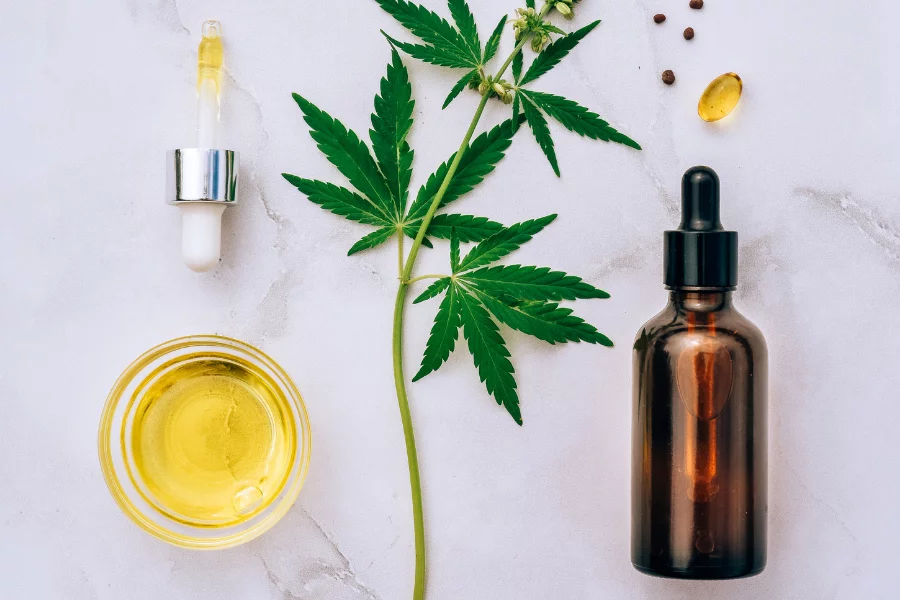
CBD, short for cannabidiol, is one of the many compounds found in the cannabis plant. Unlike its well-known counterpart, THC (tetrahydrocannabinol), CBD is not psychoactive, which means it won’t get you high. Instead, CBD interacts with the endocannabinoid system in the body to potentially offer various health benefits, including pain relief.
How CBD May Relieve Pain
CBD’s pain-relieving properties are thought to be linked to its interaction with the endocannabinoid system (ECS). The ECS plays a crucial role in regulating various bodily functions, including pain perception, inflammation, and immune response. When you consume CBD, it may influence the ECS by:
- Reducing Inflammation: CBD has anti-inflammatory properties, which can help alleviate pain caused by inflammatory conditions like arthritis, multiple sclerosis, and autoimmune disorders.
- Modulating Pain Perception: CBD may interact with receptors in the brain and nervous system, altering the way your body perceives and responds to pain signals.
- Enhancing Natural Pain Relief: CBD may support the body’s natural pain-relief mechanisms, such as increasing the levels of endocannabinoids like anandamide.
Choosing the Right CBD Product
When it comes to using CBD for pain relief, you have several options. Here are some popular CBD products and how to choose the right one for your needs:
- CBD Oil or Tinctures: These are taken sublingually (under the tongue) and offer fast absorption. You can adjust the dosage by counting drops to find the optimal amount for your pain relief.
- CBD Topicals: Creams, balms, and lotions infused with CBD can be applied directly to the affected area, providing localized relief for sore muscles and joints.
- CBD Capsules or Softgels: These are convenient for precise dosing and are an excellent option if you prefer a consistent daily regimen.
- CBD Edibles: Gummies, chocolates, and other edibles offer a tasty way to consume CBD, but they may take longer to produce effects due to digestion.
- CBD Vape Products: Inhalable CBD products provide rapid relief, but they may not be suitable for everyone, especially those with respiratory issues.
Dosage Guidelines
Determining the right CBD dosage for pain relief can be a bit tricky since individual responses vary. Start with a low dose and gradually increase it until you achieve the desired effects. It’s essential to consult with a healthcare professional before beginning any new CBD regimen, especially if you’re currently taking medications.
Considerations and Precautions
- Quality Matters: Ensure you purchase high-quality CBD products from reputable manufacturers. Look for products that have undergone third-party lab testing to verify their potency and purity.
- Drug Interactions: CBD may interact with certain medications, so consult with your doctor if you’re taking prescription drugs.
- Legal Status: Be aware of the legal status of CBD in your area, as regulations can vary by location.
- Full-Spectrum vs. Broad-Spectrum vs. Isolate: Understand the difference between these CBD types, as they may produce different effects.
Exploring CBD Dosage and Safety
Determining the right CBD dosage is crucial for effective pain relief and minimizing potential side effects. While there’s no one-size-fits-all approach, here are some general guidelines to consider:
- Start Low and Go Slow: As mentioned earlier, it’s advisable to begin with a low CBD dose and gradually increase it until you achieve the desired relief. This cautious approach allows you to gauge how your body responds without the risk of overdoing it.
- Consult a Healthcare Professional: Before incorporating CBD into your pain management routine, it’s advisable to consult with a healthcare provider, particularly if you have underlying medical conditions or are taking medications. They can offer personalized guidance based on your specific health needs.
- Consider Your Pain Severity: The severity of your pain should also influence your CBD dosage. Mild discomfort may require a lower dose, while chronic or severe pain may necessitate higher amounts.
- Factor in Body Weight: Your body weight can influence how CBD affects you. A general rule of thumb is to take 1-6 mg of CBD for every 10 pounds of body weight. However, this is a starting point, and individual variations may apply.
- Quality and Potency: The quality and potency of the CBD product you choose are critical. High-quality CBD from reputable sources tends to be more effective. Look for products that have been tested by independent third-party labs to verify their cannabinoid content and ensure they are free from harmful contaminants.
As you navigate your CBD journey, it’s essential to remain patient and observant. Keep a journal to record your experiences, noting the dosage, time of day, and any changes in your pain levels. This will help you fine-tune your CBD regimen for optimal results.
Safety Considerations
CBD is generally considered safe for most individuals, with few reported side effects. However, it’s essential to be aware of potential side effects, including:
- Dry Mouth: CBD may cause a dry mouth sensation, which can typically be alleviated by staying hydrated.
- Drowsiness: Some people may experience drowsiness when taking higher doses of CBD, so it’s advisable to avoid activities that require full alertness until you know how it affects you.
- Digestive Issues: In some cases, CBD can cause mild digestive discomfort, such as diarrhea or changes in appetite.
- Interaction with Medications: As mentioned earlier, CBD can interact with certain medications, potentially altering their effectiveness. Consult with your healthcare provider if you have concerns about drug interactions.
Conclusion
CBD holds promise as a natural approach to pain management. By following proper dosage guidelines, considering individual factors, and prioritizing product quality and safety, you can harness the potential benefits of CBD for pain relief while minimizing any associated risks. Always consult with a healthcare professional for personalized advice on integrating CBD into your pain management strategy.