Introduction
As CBD continues to gain popularity for its potential wellness benefits, more products are hitting the shelves with different types of extracts—namely full-spectrum, broad-spectrum, and CBD isolate. While they all contain cannabidiol (CBD), the differences in how they’re processed and what they contain can significantly affect their impact on the body.
Whether you’re new to CBD or looking to fine-tune your wellness routine, understanding these three types of CBD is essential. In this blog, we’ll break down the differences, benefits, and best uses of full-spectrum, broad-spectrum, and isolate CBD to help you make an informed decision.
What Is CBD?
CBD (cannabidiol) is one of over a hundred naturally occurring compounds called cannabinoids found in the cannabis plant. Unlike THC (tetrahydrocannabinol), CBD is non-psychoactive, meaning it doesn’t produce a “high.” It interacts with the body’s endocannabinoid system (ECS), which plays a role in regulating mood, sleep, pain, immune function, and more.
CBD can be extracted from hemp in different ways, resulting in various forms that contain different cannabinoid profiles.
The Three Main Types of CBD Extracts
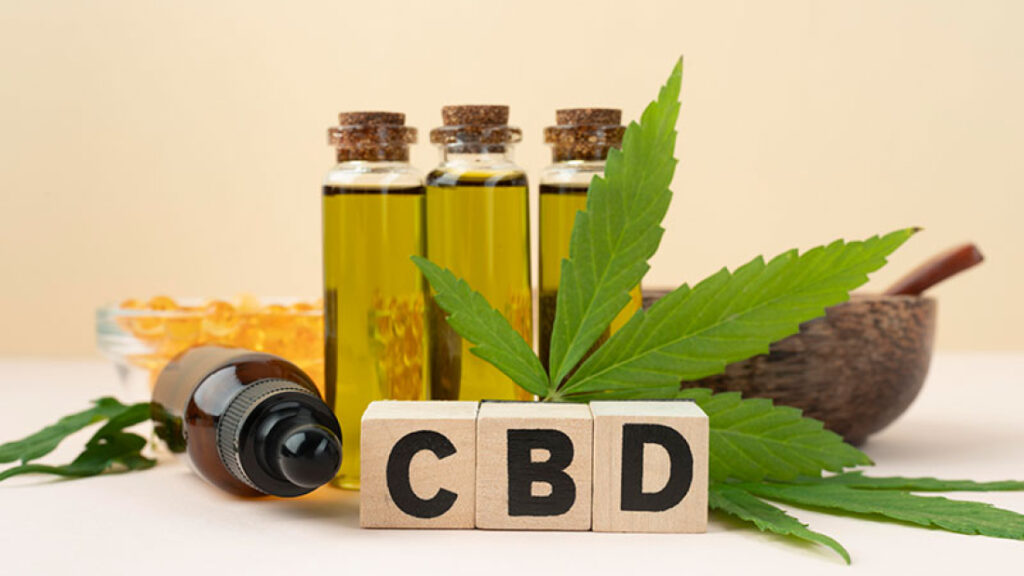
When shopping for CBD products, one of the first things you’ll notice on the label is the type of extract used: full-spectrum, broad-spectrum, or CBD isolate. While they all contain cannabidiol as the main active ingredient, these extracts differ significantly in their composition and effects. Understanding these differences is crucial for choosing the product that best matches your health goals, lifestyle, and any sensitivities you might have—especially to THC. In this section, we’ll break down what sets each type of extract apart, how they’re made, and what kind of benefits you can expect from each. Whether you’re new to CBD or looking to refine your current routine, knowing the basics of these three extract types will help you make a more informed and effective choice.
1. Full-Spectrum CBD
Full-spectrum CBD contains all the naturally occurring compounds found in the cannabis plant, including:
- CBD
- Minor cannabinoids (like CBG, CBN, CBC)
- Terpenes (aromatic compounds with therapeutic effects)
- Flavonoids
- Trace amounts of THC (less than 0.3% as per federal law in many countries)
Benefits:
- Entourage Effect: Full-spectrum CBD is thought to offer enhanced benefits due to the synergistic interaction between all cannabinoids and terpenes.
- May be more effective for chronic pain, inflammation, and anxiety due to the combined power of multiple plant compounds.
Considerations:
- Contains trace amounts of THC, which might appear on a drug test.
- Not suitable for those who are THC-sensitive or live in areas with strict THC regulations.
2. Broad-Spectrum CBD
Broad-spectrum CBD is similar to full-spectrum in that it includes multiple cannabinoids and terpenes, but it has all THC removed.
Benefits:
- Offers the entourage effect without the risk of THC exposure.
- Ideal for users who want the benefits of multiple cannabinoids but need to avoid THC for legal or personal reasons.
Considerations:
- May not be as potent as full-spectrum CBD because THC also contributes to the entourage effect.
- Still more beneficial than isolate for most wellness goals due to the presence of other cannabinoids and terpenes.
3. CBD Isolate
CBD isolate is the purest form of CBD, typically containing 99% pure cannabidiol and no other plant compounds.
Benefits:
- Contains no THC—perfect for people who are extremely sensitive to cannabinoids or subject to drug testing.
- Flavorless and odorless, making it ideal for mixing into food or drinks.
Considerations:
- Lacks the entourage effect since it only contains CBD.
- May require higher doses to achieve the same effects as full- or broad-spectrum CBD.
Comparing the Three Types
When comparing the three main types of CBD—full-spectrum, broad-spectrum, and CBD isolate—it’s important to understand how their unique compositions affect their potential benefits. All three contain CBD, the primary active compound, but they differ significantly in what else they offer. Full-spectrum CBD includes other cannabinoids, terpenes, and trace amounts of THC, which together produce the most powerful entourage effect—the enhanced therapeutic impact of all compounds working together. However, this also means there’s a possibility of testing positive for THC, making it less suitable for those sensitive to or avoiding THC. Broad-spectrum CBD, on the other hand, contains multiple cannabinoids and terpenes but removes all THC, offering a moderate entourage effect without the associated risk of intoxication or failed drug tests. It strikes a balance between effectiveness and safety for most users. CBD isolate is the purest form, containing only CBD and none of the other plant compounds. While it’s ideal for THC-sensitive individuals and carries no risk of a positive drug test, it does not provide the entourage effect and may be less potent. For beginners, both broad-spectrum and isolate are often recommended due to their clarity and lower risk profiles, while full-spectrum may appeal to those seeking maximum therapeutic value and who are comfortable with trace amounts of THC.
Also Read: How CBD Can Help with Post-Traumatic Stress Disorder (PTSD)
How to Choose the Right Type of CBD
Your ideal CBD extract depends on your personal health goals, legal restrictions, and sensitivity to THC.
Choose Full-Spectrum CBD if:
- You want maximum therapeutic benefit
- You live in a region where THC is legal
- You’re not concerned about drug testing
Choose Broad-Spectrum CBD if:
- You want the entourage effect without any THC
- You’re subject to regular drug testing
- You have moderate sensitivity to THC
Choose CBD Isolate if:
- You only want pure CBD
- You’re very sensitive to other cannabinoids
- You want to avoid any risk of THC ingestion
Conclusion
Understanding the difference between full-spectrum, broad-spectrum, and CBD isolate can empower you to choose the product that best fits your lifestyle and wellness goals. While full-spectrum offers the most comprehensive plant profile, broad-spectrum and isolate provide excellent alternatives for those avoiding THC. No matter which type of CBD you choose—full-spectrum, broad-spectrum, or isolate—it’s crucial to prioritize product quality and safety. Always opt for brands that provide third-party lab testing, which ensures the product contains exactly what it claims and is free from harmful contaminants like pesticides, heavy metals, and residual solvents. In addition, transparent labeling is essential; it should clearly indicate the type of CBD, the amount per serving, and a full list of ingredients. Finally, for the cleanest and most natural experience, choose products made with organic, non-GMO ingredients, which reduce the risk of exposure to synthetic additives and agricultural chemicals. Prioritizing these standards helps ensure you’re getting a safe, effective, and trustworthy CBD product.
With the right knowledge and product, CBD can become a valuable part of your daily wellness routine.